The Backup Key Most Keypad Deadbolts Never Get
The Backup Key Most Keypad Deadbolts Never Get
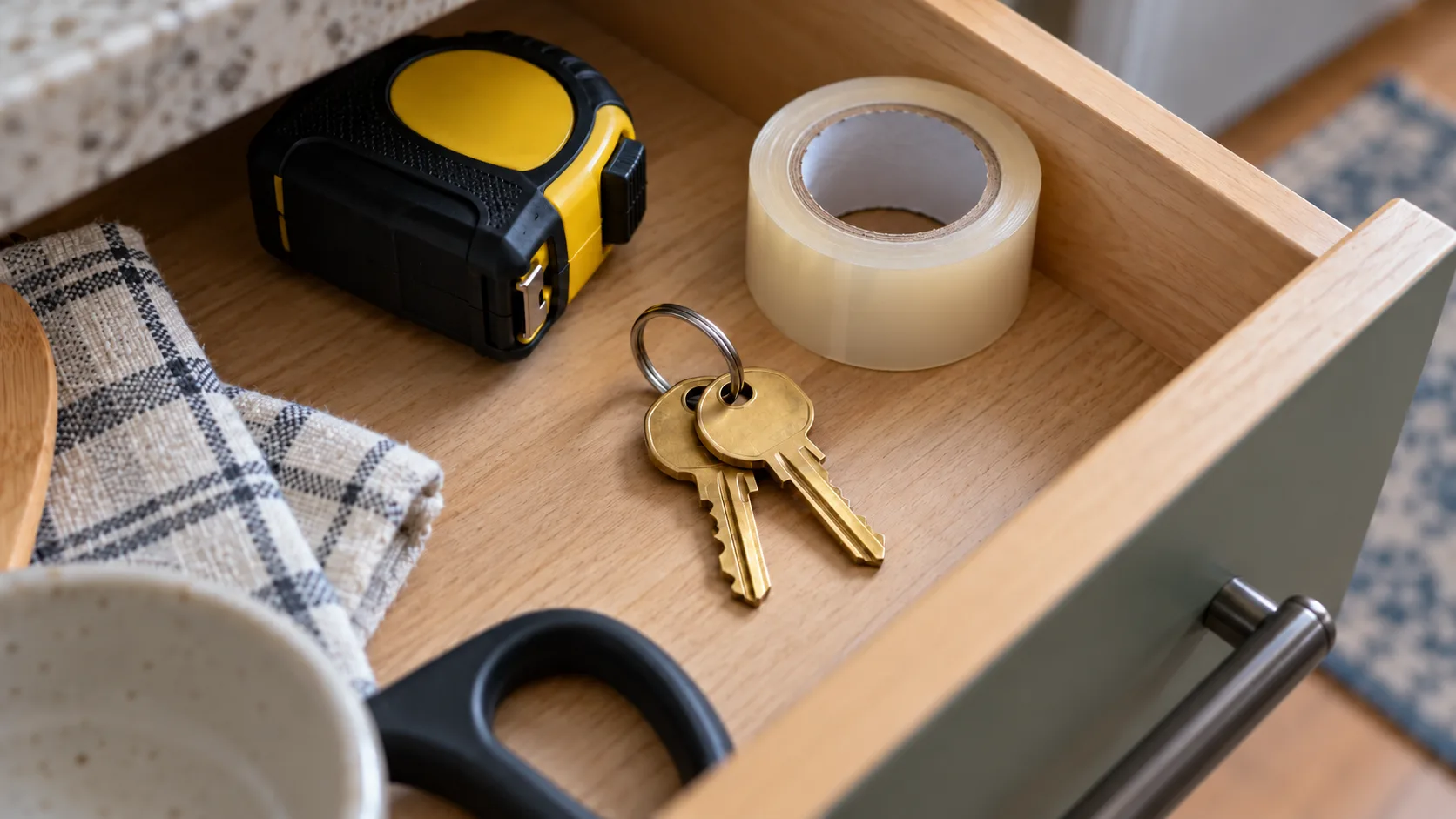
Every keypad deadbolt has a key cylinder under the buttons. A small cover hides it on some models. On the rest it sits in plain view below the keypad. The keys that came in the box went into a drawer on install day. The code was programmed that afternoon, and the keys have not been touched since. Three years later nobody in the house can say which drawer. The lock has worked on the code alone the whole time.
Keypad locks on new builds in Andover and St. Michael come with a different gap. The builder set the first code during construction, and the keys were never part of the closing. A house bought from a previous owner has the gap too, since the keys left with the seller. The code got changed the week of the move. Nobody asked about a key. The house has run on the code since, and the key that opens the door when the code fails does not exist yet.
Cold weather is when the cells quit
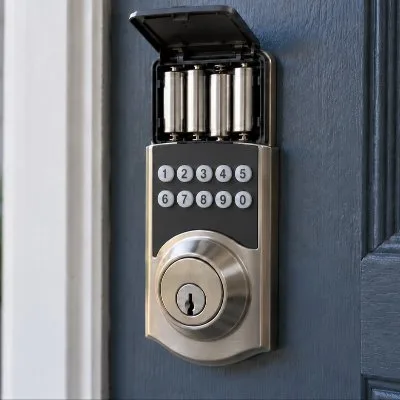
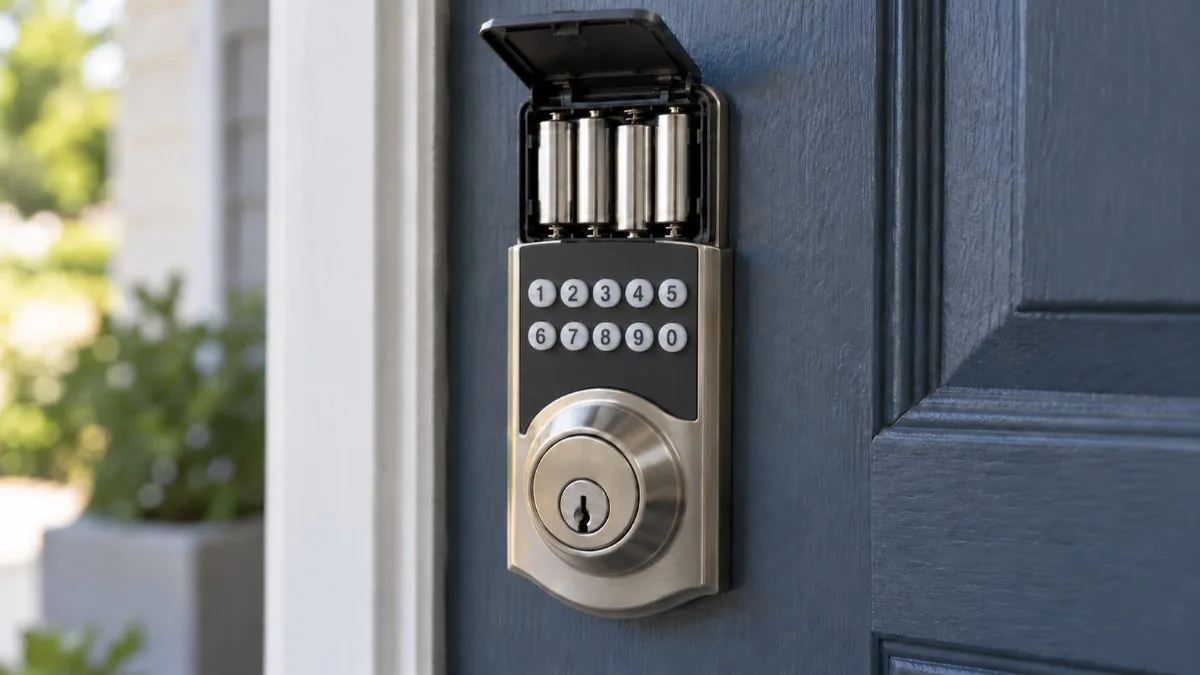
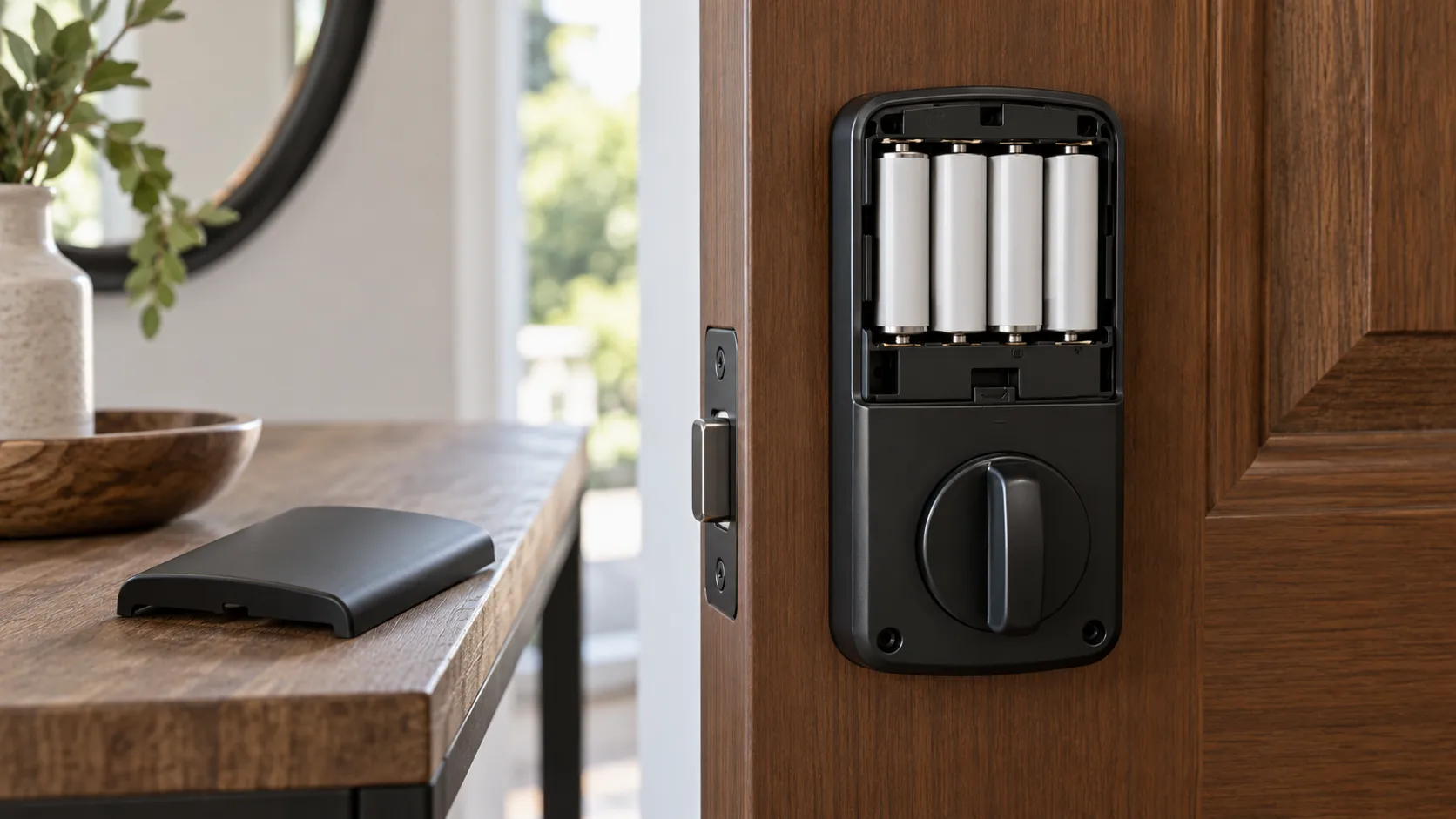
Keypad deadbolts run on four AA cells in most models. Alkaline cells lose capacity when the temperature drops. The motor that throws the bolt draws more power than the buttons, and it draws the most when the bolt drags in a cold door. The battery pack sits in the housing on the inside of the door, and a steel door carries the cold through to it. A front door that faces north takes the wind all winter. The cells behind that door quit first.
The lock gives a warning before the cells die. A beep after the code, or a light that blinks, starts weeks ahead. The warning gets missed on the way in with groceries. Fresh cells go in the week the warning starts. A door that swelled in August and shifted with the first hard frost puts the bolt against the strike plate. The motor works harder against that strike, and the cells drain faster. With dead cells the buttons do not light and the bolt does not move.
The cylinder works with no power at all. The key turns the bolt like a plain deadbolt, and the cells get replaced from the inside once the door is open. A dead lock with no key anywhere is a house lockout, and we open it without drilling. A key is cut in the same visit. Lithium AA cells hold their capacity in the cold, and they belong in any door that faces the wind. Fresh alkaline cells in October are the second-best choice.
A keypad deadbolt on an unheated cabin sits at outdoor temperature all winter. The cells come out when the cabin closes in October. Dead alkaline cells leak and eat the contacts over a winter. Fresh ones go in when the cabin opens. The key is what opens that door in between, for the plow driver or a January check on the pipes. A cabin lock with no key is closed until spring. The key is cut in September, before the cells come out.
A key is cut from the lock in one visit
The lock stays on the door for the whole job. The inside housing comes off with its mounting screws. The outside keypad comes away from the door with it. The cylinder slides out of the keypad housing. The technician reads the cylinder and cuts a key to match it on the truck. The key turns in the cylinder before anything is put back on the door. The codes are left alone, and the lock runs the way it did that morning.
The cylinder can be keyed to match the rest of the house while it is out. One key then opens the keypad deadbolt and the garage service door. A cylinder that turns rough after years of sitting is replaced from stock on the truck. Once one key exists, a hardware store can copy it. We cut two at the door. One goes in a wallet and the other goes to a neighbor's drawer.
The new key gets tried once before it is put away
A key that has never been turned in its lock is a guess. The key is tried the day it is cut, with the door open and again with it closed. The open-door turn proves the key fits the cylinder. With the door closed, the turn shows whether the bolt clears the strike plate. A cylinder that sits unused for years gets stiff. A puff of dry lubricant in the keyway each October keeps it free. Oil gums up a cylinder and stays out of it.
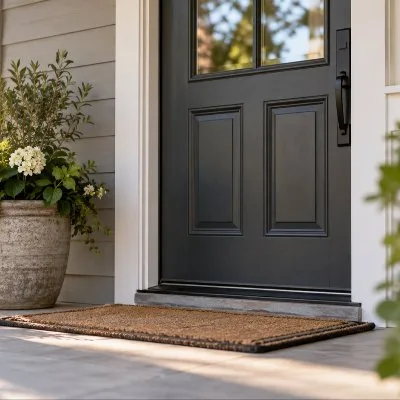
The key lives in one spot. A wallet is the best place, since the wallet is on the person standing at the door. A neighbor's drawer holds the second one. Under the mat and in the planter are the two spots anyone checks first. Each fall, before the first hard freeze, the wallet key takes one turn in the lock and then goes back where it was. The code opens the door the rest of the year.