What to Have Ready When You Call a Mobile Locksmith
The address is the first question on a lockout call. The dispatcher reads it back before anything else. A street address is enough for a house. A parking ramp in downtown Minneapolis needs the ramp name and the level, since one street address covers every floor. An apartment complex in Brooklyn Park has a building number and several lots, and the dispatcher asks for both. A boat launch is named by the lake, and by the launch itself when the lake has two.
A landmark comes next. A cross street does it for a house, and the business next door does it for a storefront. A hotel in Brooklyn Center has more than one lot, so the side of the building is part of the address. A gated lot has a code at the entrance. The code is read to the dispatcher, or the caller meets the technician at the gate. Car color and the spot in the row finish it. The truck finds the car on the first pass.
The make of the car and the type of lock come next
The make and the year of the vehicle are the third thing we ask for. The make tells the technician how that door opens. The year settles which blank comes off the truck if a key has to be cut. A trunk lockout is a different job than a door, so say trunk. A child or a dog inside the car, or a car left running with the keys inside, gets said before the address.
The lock type is the fourth question for a house or a storefront. A deadbolt above a knob is the usual answer. Older houses in Crystal and Osseo often have the original hardware, and that is worth saying. A locked storm door in front of the main door is a second lock. Say so. A keypad deadbolt with dead cells still has a key cylinder under the buttons. An aluminum storefront door carries hardware unlike anything on a house, so the word storefront matters.
The one question is whether a key exists
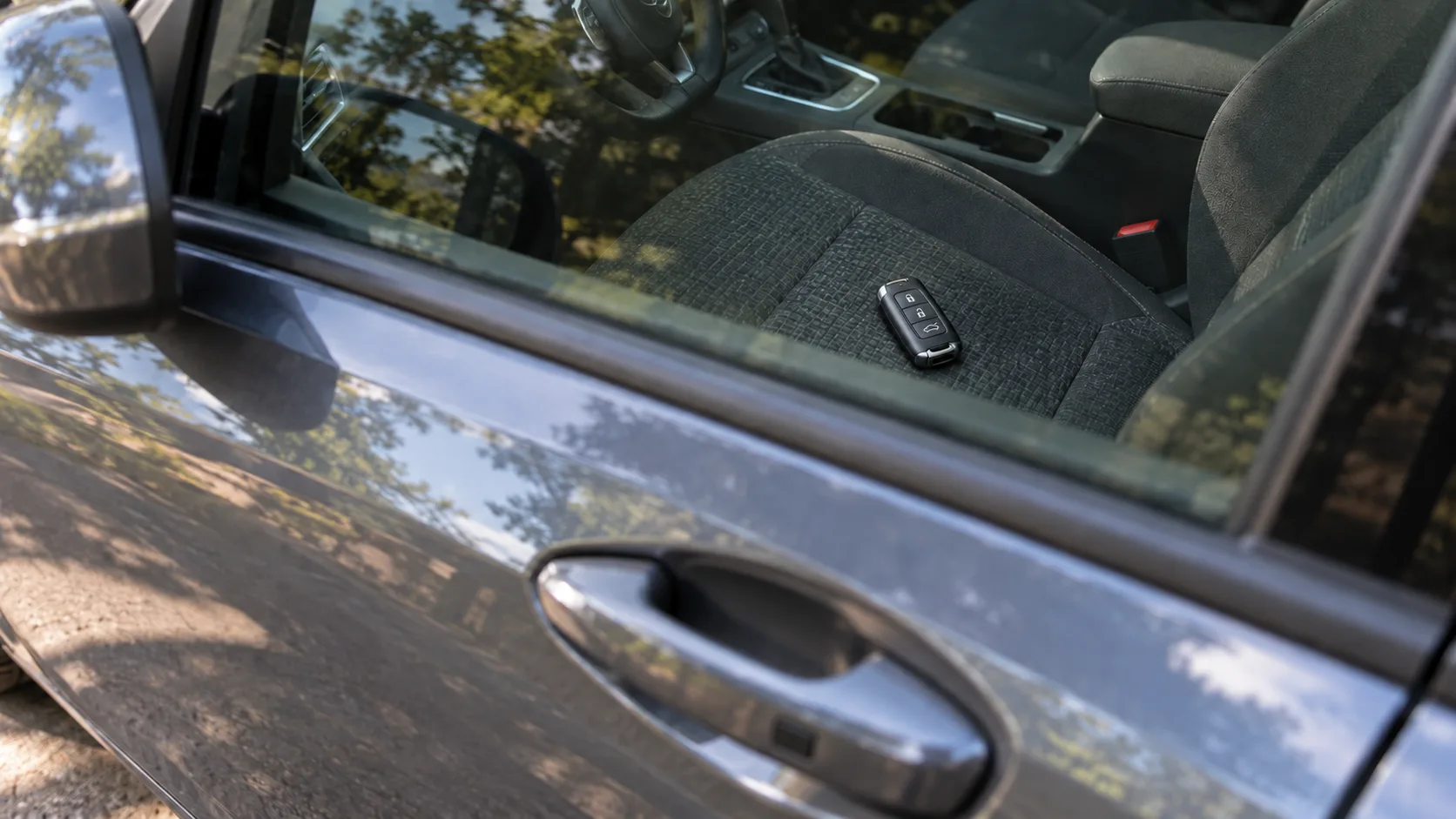
Whether a key exists anywhere is the question we ask on every lockout call. A spare in a kitchen drawer counts. So does a fob sitting in the house while the car is at the grocery store. A key at a neighbor's house is a yes as well. The answer decides whether the visit is an opening or a key-making job. An opening is the smaller job. The job is quoted on the phone before the truck leaves, and the quote depends on that answer.
A key locked inside the car is the easy answer. Picks open the door and the finish is not marked. The caller drives off with the key that was on the seat. A house key left on the kitchen counter is a lockout and nothing more. The door is opened without drilling. The lock is left as it was. Prying at a window or a door while the truck is on the way leaves a repair behind. The lock was going to open either way.
No key anywhere is the bigger job. A car with every key lost gets a key cut to the vehicle, and that starts with the VIN. The VIN sits on the dash at the bottom of the windshield, and it can be read from outside the car. A house where every copy is gone is rekeyed to one new key, with the locks left on the doors. A key snapped off in the cylinder counts as no key, and the broken piece comes out first.
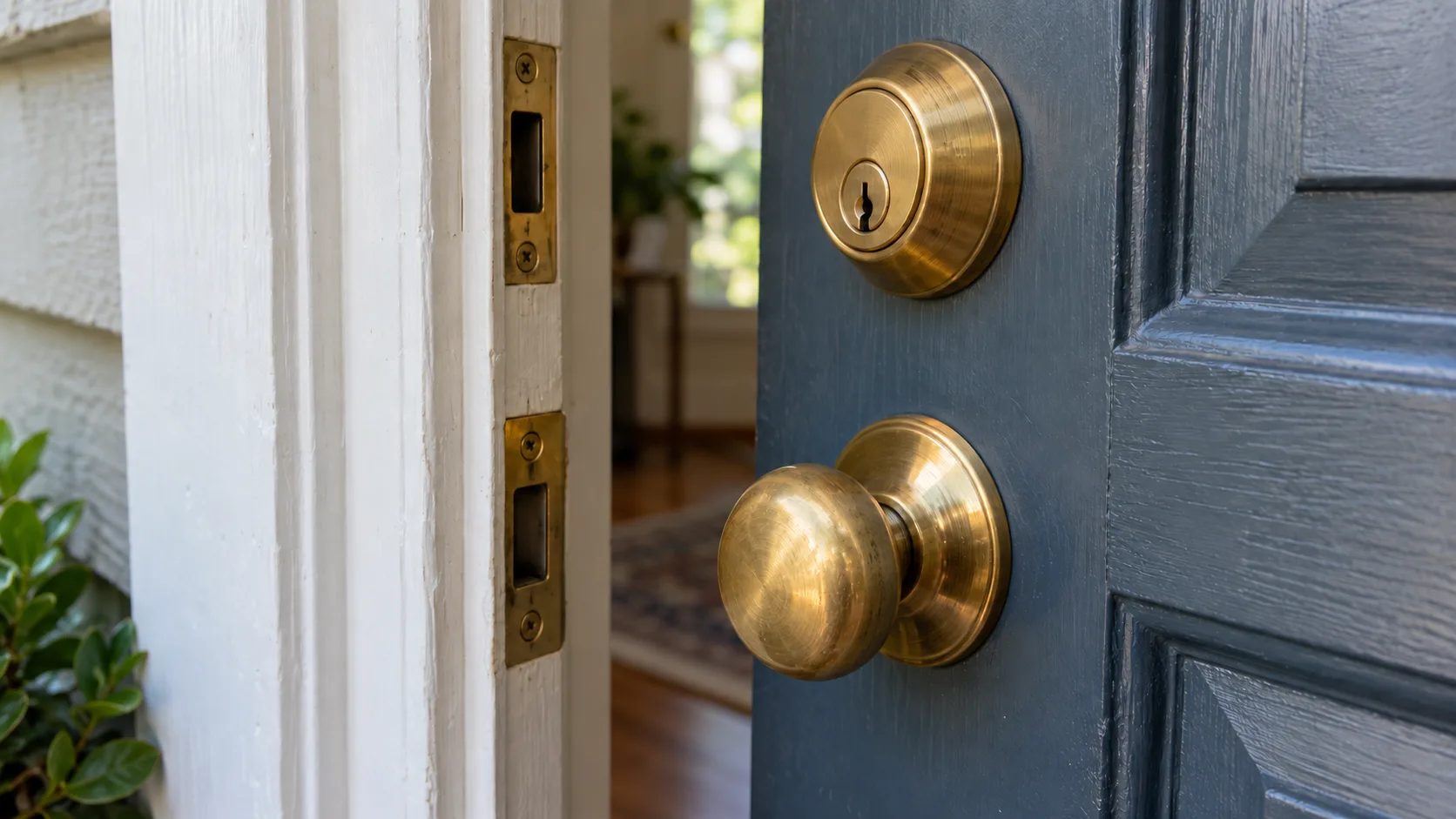
A clear description shortens the time at the door
Common residential and commercial cylinders ride on the truck with key blanks. The right ones come off on the first trip when the lock type was named. A knob described as a deadbolt sends the technician back to the truck. Building numbers in a big complex keep the truck out of the wrong lot. Leave the ramp level out and the truck laps every floor. A dog in the yard goes on the call, and it goes inside before the truck pulls up.
The phone stays on after the call ends. A phone that is about to die is the last thing to tell the dispatcher before hanging up. Waiting inside is the better choice in January. A gas station lobby beats standing beside a locked car at ten degrees. The technician can find the car without the caller beside it, as long as the description was good. A lit doorway or a store entrance is the place to wait after dark, and the technician is told which one.
The quote given on the call covers the job that was described. A house lockout that turns into a rekey at the door is a larger job than the one that was quoted. A rekey that can wait until morning is booked as scheduled work. A weekday afternoon is the easiest slot to get. A key that turns up in a coat pocket after the call gets a second call right away. The address is read back one more time before the truck leaves.