Where to Keep a Spare House Key, and Where Not To
Where to Keep a Spare House Key, and Where Not To
Short answer: leave one with a neighbor who's home a lot, put one in a coded lockbox on the side of the house, or skip the outdoor key entirely with a keypad deadbolt and carry the backup in your wallet. Every spot on the porch — the mat, the planter, the fake rock, the ledge — gets checked in the time it takes to bend down and stand back up.
The spots everyone checks first
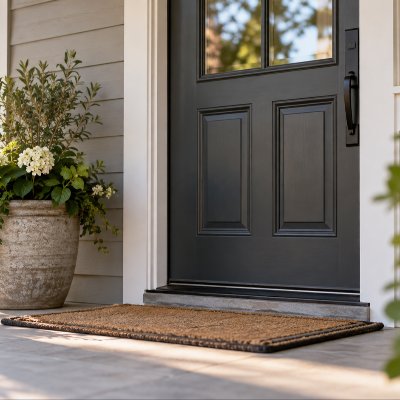
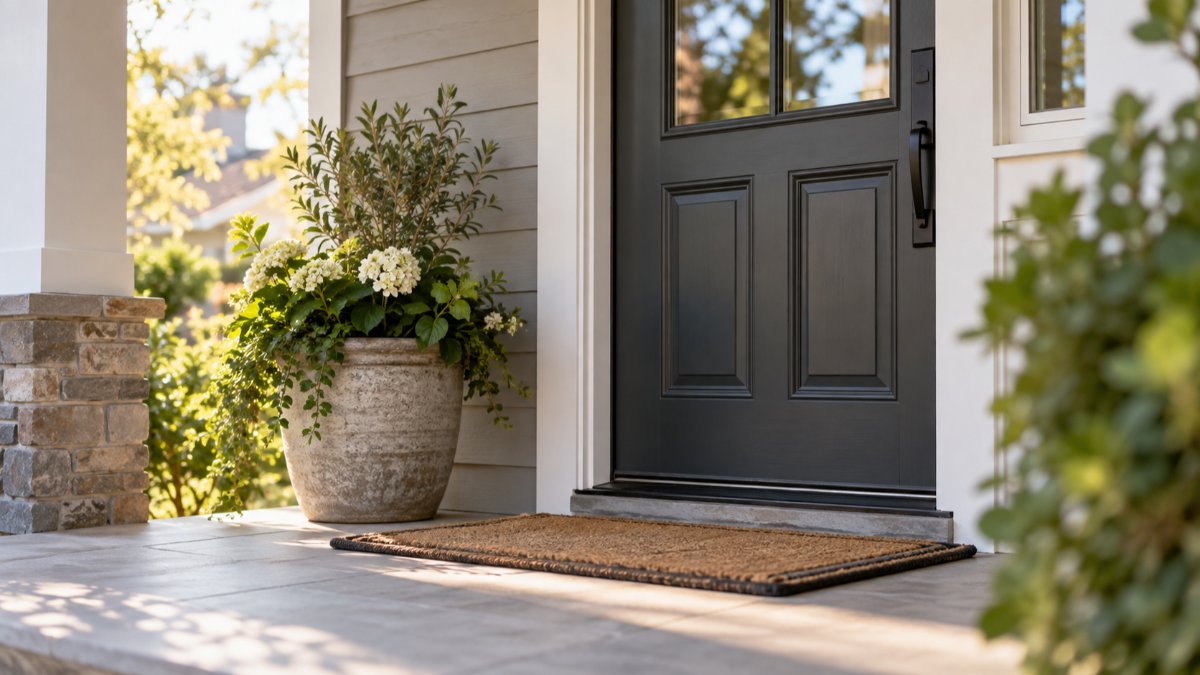
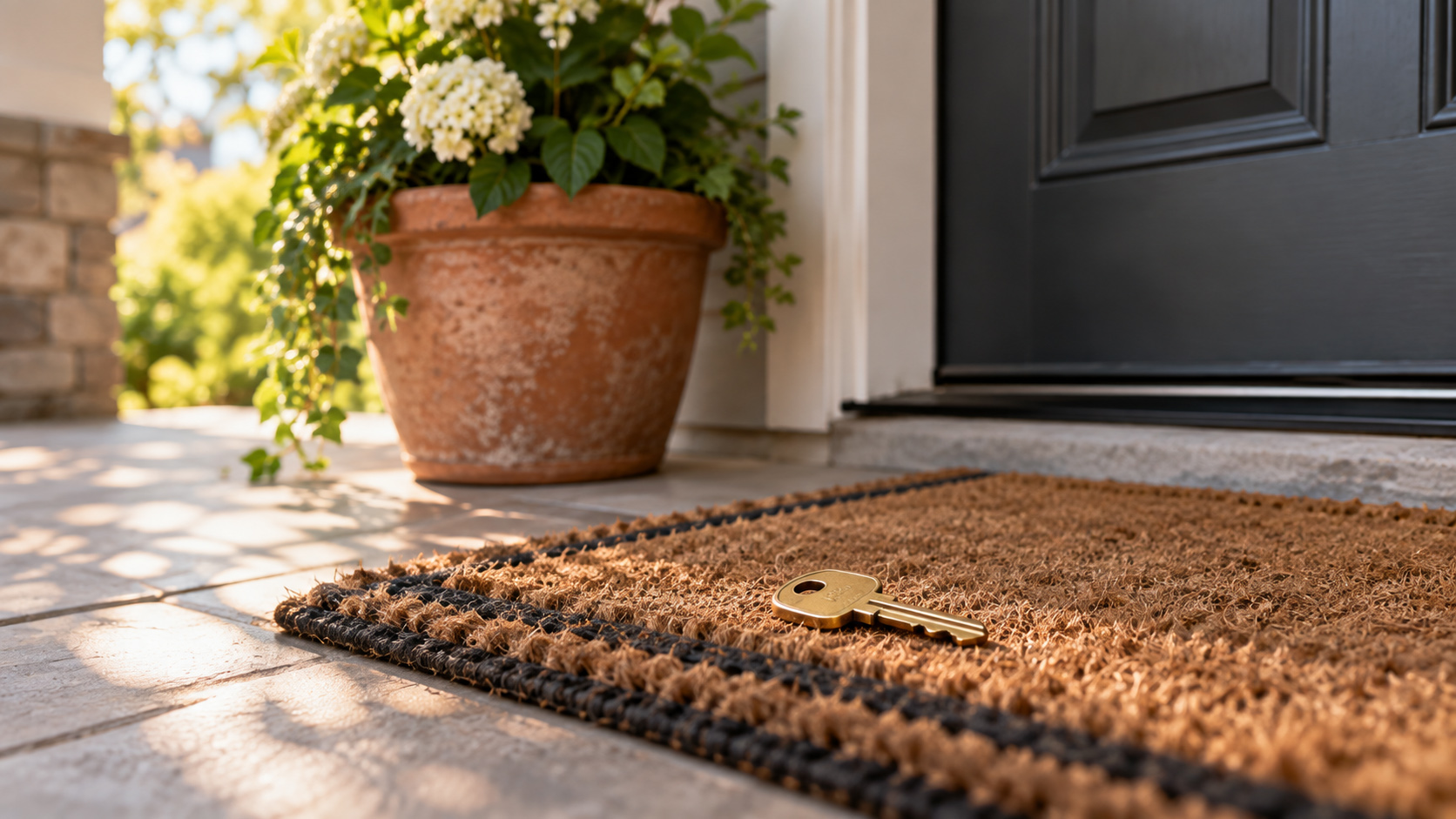
- Under the doormat. First place, every time.
- In the planter beside the door. Second.
- On the ledge above the door frame. Third.
- Under a loose paver. It tips underfoot, which is what gives it away.
- In a fake rock. Real rocks don't sit alone in a mulch bed. From the sidewalk, a fake rock looks like a fake rock.
- In the mailbox. The mail carrier finds it before anyone else does.
- In the car. The registration in the glove box has your address, and the spare in the console opens the front door. Leave the house key off that ring.
A key within arm's reach of the front door isn't hidden. It's stored outside. If a key is going to live outside, it should live behind a code.
Option 1: A neighbor's kitchen drawer
This beats every spot on the porch. The key is off your property, out of the weather, and it costs nothing.
Pick the neighbor who is home the most, not the one you like best. A retired couple across the street is home more hours than someone commuting to downtown Minneapolis, and they can let a furnace tech in on a Tuesday in January. Leave the tag on the key blank. The neighbor knows which door it opens; nobody else needs to.
The catch: a neighbor who turns in at nine is no help at one in the morning, and the arrangement is on hold the week they're up north. A second copy with a relative or close friend covers the gap. Anyone you'd already trust with your car keys is the right person for a house key.
Keep count. Two neighbors with keys is two. The house sitter from last summer who never returned one makes three, and the count is already wrong. If you've lost track — or you just bought a house and have no idea how many keys were cut before you got there — rekeying puts every lock on one fresh key and every old copy stops working. The existing hardware stays on the doors.
Option 2: A coded lockbox on the side of the house
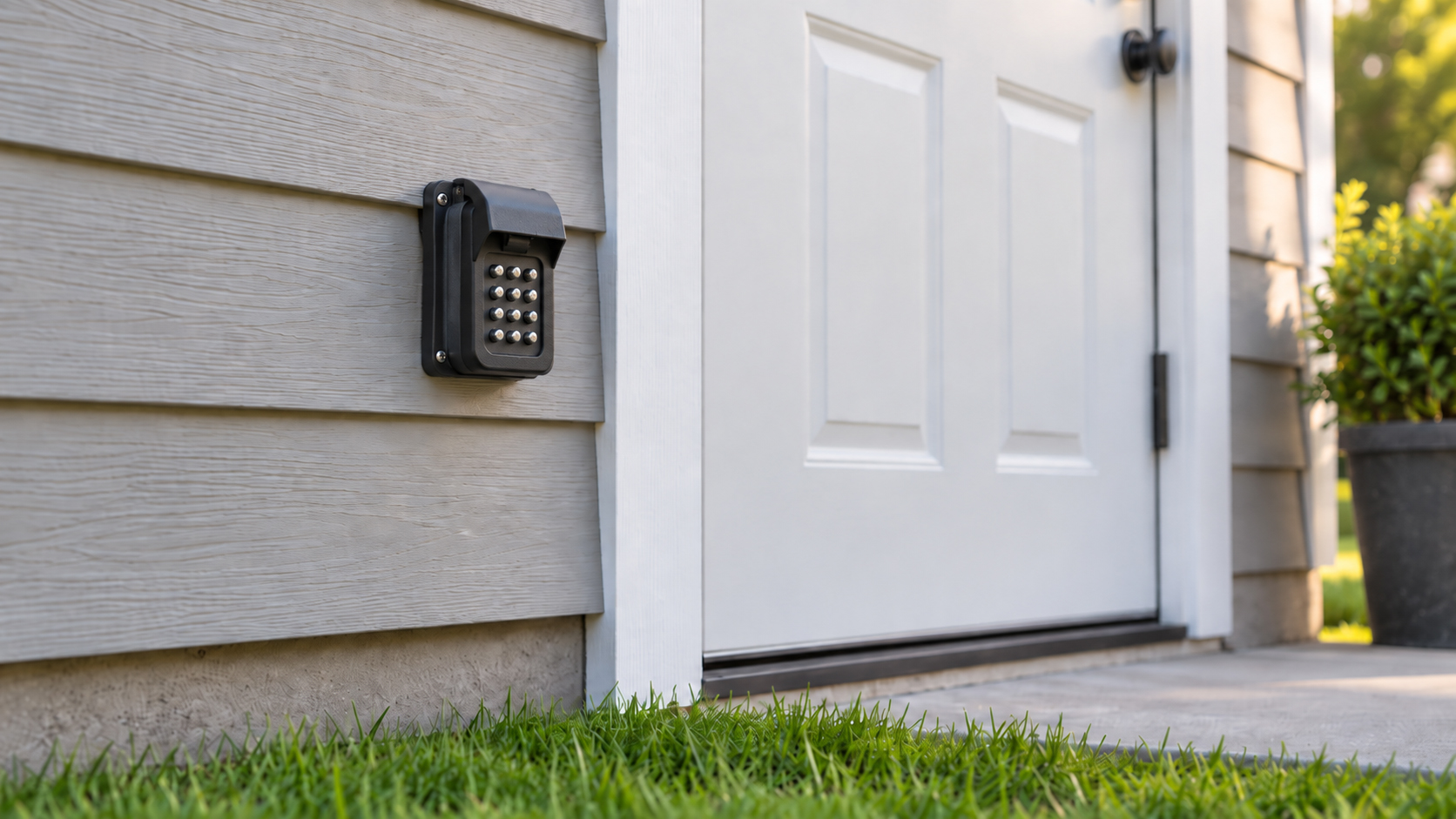
A lockbox screwed to the siding beside the garage service door holds a key behind a code, and it works at midnight when the neighbor's lights are off. A few things we've learned from mounting them:
- Put it on a side wall, out of sight of the street. A shackle box hanging on the front door handle is in plain view of the sidewalk.
- Mount it at shoulder height. A box low on the wall is under the snow by January.
- Get one with a weather cover. Freezing rain on the buttons will stop a cheap box cold.
- The code isn't the house number, and it isn't a birth year.
- When a contractor gets the code for a job, change it the day the job ends.
The box should hold one key that opens everything. Have the deadbolt, the knob, the garage service door, and the shed padlock keyed alike before you lock a copy inside. One code on the box, one key in it, whole property covered.
Lake cabins are where lockboxes really earn their keep. Everyone in the family who opens the place knows the code, the key sits in the box between visits all season, and nobody has to remember to bring one.
Option 3: A keypad deadbolt, with the backup key in your wallet
A keypad deadbolt takes the outdoor key out of the picture. The code opens the door and nothing is hidden outside. Most keypad deadbolts have a key cylinder under the buttons, and that backup key is the spare that never touches the porch — it rides in your wallet, or it goes in the neighbor's drawer.
You'll want it. Alkaline batteries lose capacity in the cold, and the buttons tend to quit sometime between November and March. Keep the backup somewhere you can reach without going back inside.
Keypads also fix the key-count problem. A dog walker or cleaner gets a code of their own, and you delete it the week the visits stop. The number of physical keys to the house never changes.
One thing to check first: an older door that swells in August humidity and binds on the strike plate will fight a keypad the same way it fights a key. Align the strike before the lock goes on, or the motor works too hard and drains the batteries faster.
If you rent
You usually can't change the locks, but a lockbox on a fence post or a side gate doesn't touch the door, and a key with a neighbor needs no permission at all. Check the lease before mounting anything to the building.
If a spare is already missing
Treat the lock as open. A rekey is the fix, not a new hiding spot, and it's worth doing the same week.
Where we come in
Great Lakes Lock and Keys is a mobile locksmith based in Champlin. Everything above is scheduled work we do at the house: rekeying to one key, keying the property alike, mounting lockboxes, and installing keypad deadbolts, with the first codes programmed at the door and backup keys cut on the truck. Weekday afternoons are the easiest slot to get. Lockouts are different — we quote on the phone, dispatch on the same call, and open the door without drilling.