What a Rekey Changes, and What It Does Not
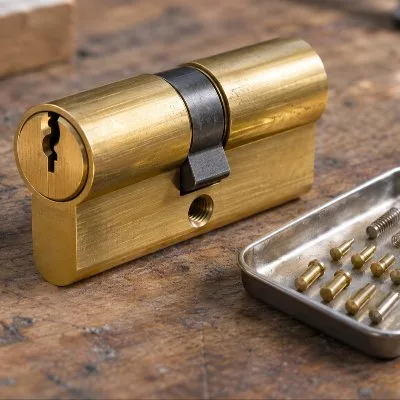
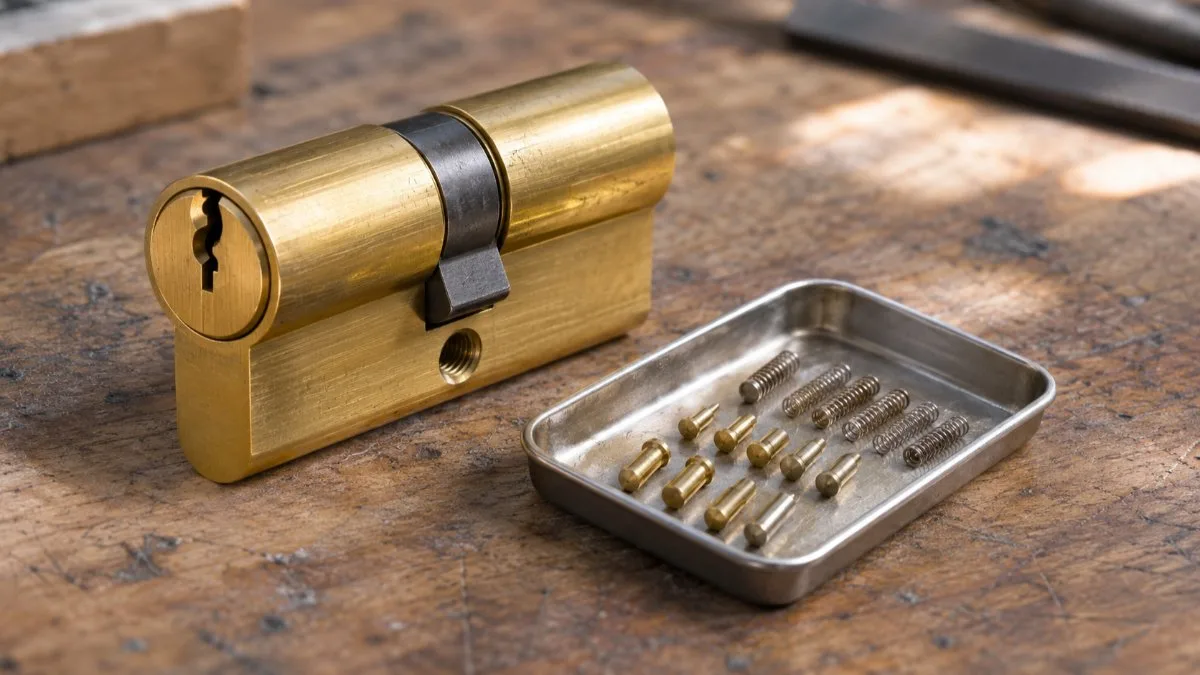
A rekey leaves the lock on the door and changes the pins inside the cylinder. The old key stops working at that door. The new key works. Nothing on the outside of the door changes, and nobody on the street can tell it was done. The lock stays mounted, so the holes in the door are never touched. A house with four outside doors ends up on one key. The same deadbolt is on the door when the truck leaves.
A lost key is the simplest reason for a rekey. The lock on the door is fine. The key is loose somewhere between the boat launch and the parking lot, and the car registration carries the address. A key a contractor never returned after a remodel is the next reason. A tenant moving out is another. In each case the lock is a good lock with a stray key out in the world, and new pins settle it in one visit.
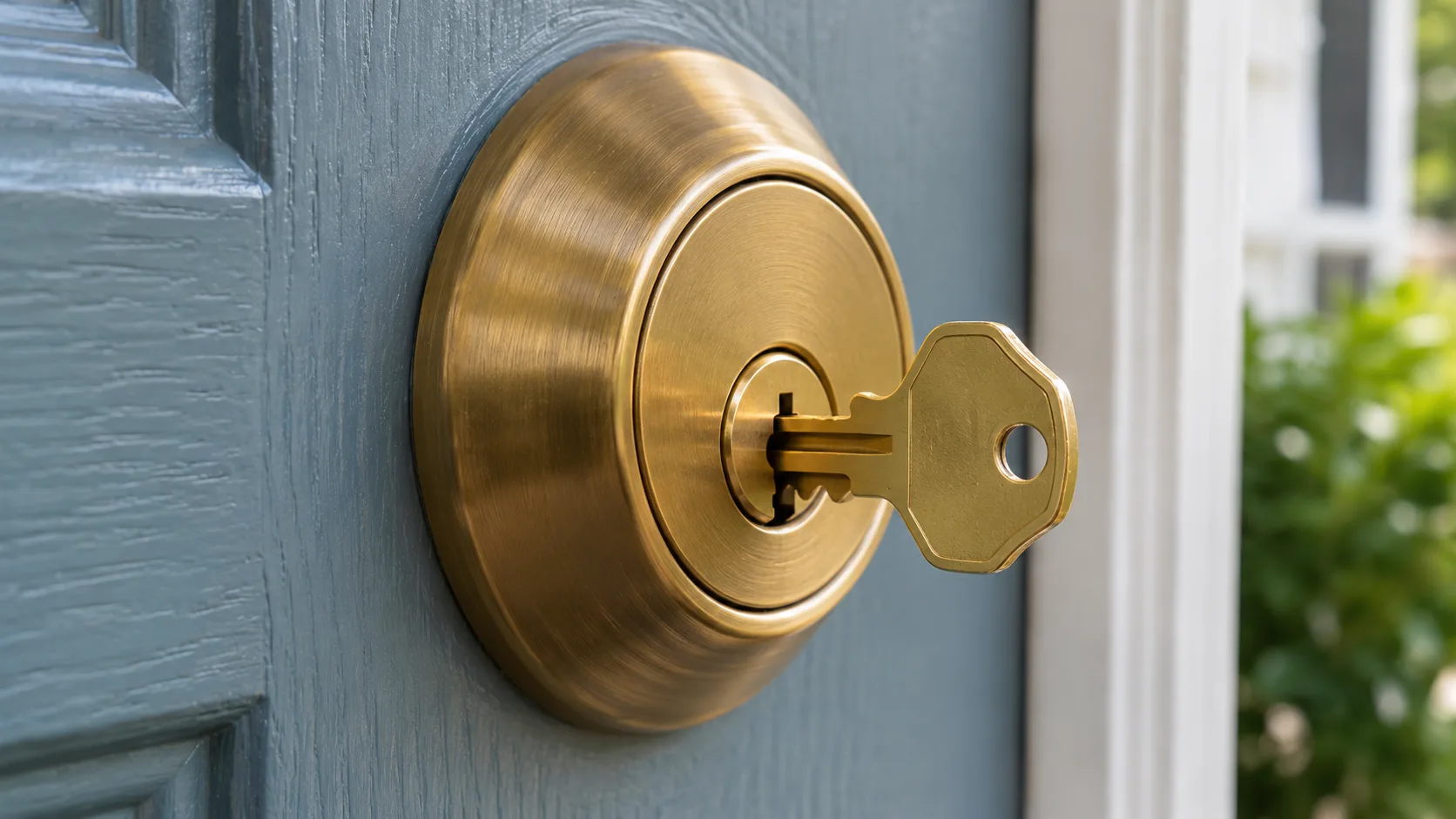
One key for every door is the usual result
Most houses get rekeyed to one key. The front door and the back door go on it. The service door on the garage is on it too. Every old copy quits at the same moment. A copy the previous owner handed to a neighbor is one of them. So is the one that lived under the mat for a month. A buyer who closes on a house has no idea how many copies are out there. After the rekey, the count is whatever we cut at the door.
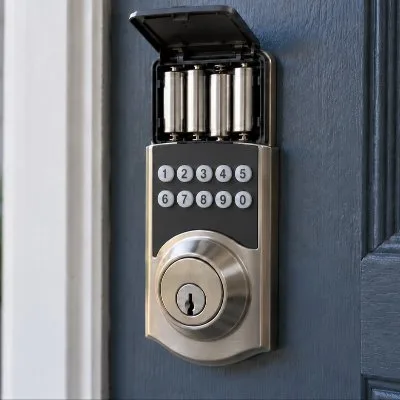
A rekey does not touch the hardware. New pins in a worn deadbolt leave it worn. A door that binds on its strike plate binds just as much after, since the strike was never part of the job. A keypad deadbolt keeps its codes, and only the cylinder under the buttons gets new pins. A builder-grade knob that was the only lock on a door is still the only lock on that door. The pins and the keys are the whole job.
Some locks cannot be rekeyed
A knob or a lever takes new pins like a deadbolt. A keypad deadbolt's cylinder is pinned like any other. A sliding patio door has a hook latch with no cylinder, so there is nothing to rekey. A mailbox lock is a small cam lock, and a cam lock is replaced as a unit. A storm door lock is a small cylinder of its own, and only some can be keyed to the house key. Padlocks with a removable cylinder take new pins, and the cheap ones are replaced.
A front door from one maker and a back door from another have different keyways, and no set of pins puts them on one key. The cylinder on one of the two gets swapped for one that matches the other, and then both are pinned alike. The swap is done from stock on the truck. A key that has to be jiggled is riding in a worn cylinder, and new pins do not fix the wear. That cylinder is replaced.
Replacement is the right call on a worn or wrong lock
Replacement puts new hardware on the door. The old deadbolt comes off and a new one is mounted with its own keys. Most house doors are bored to a standard size, so a new deadbolt drops into the old holes with no drilling. That lock is pinned to the house key first, so one key still covers every door. A rekey is the smaller job of the two, since the only parts are pins and key blanks. The quote comes on the phone either way.
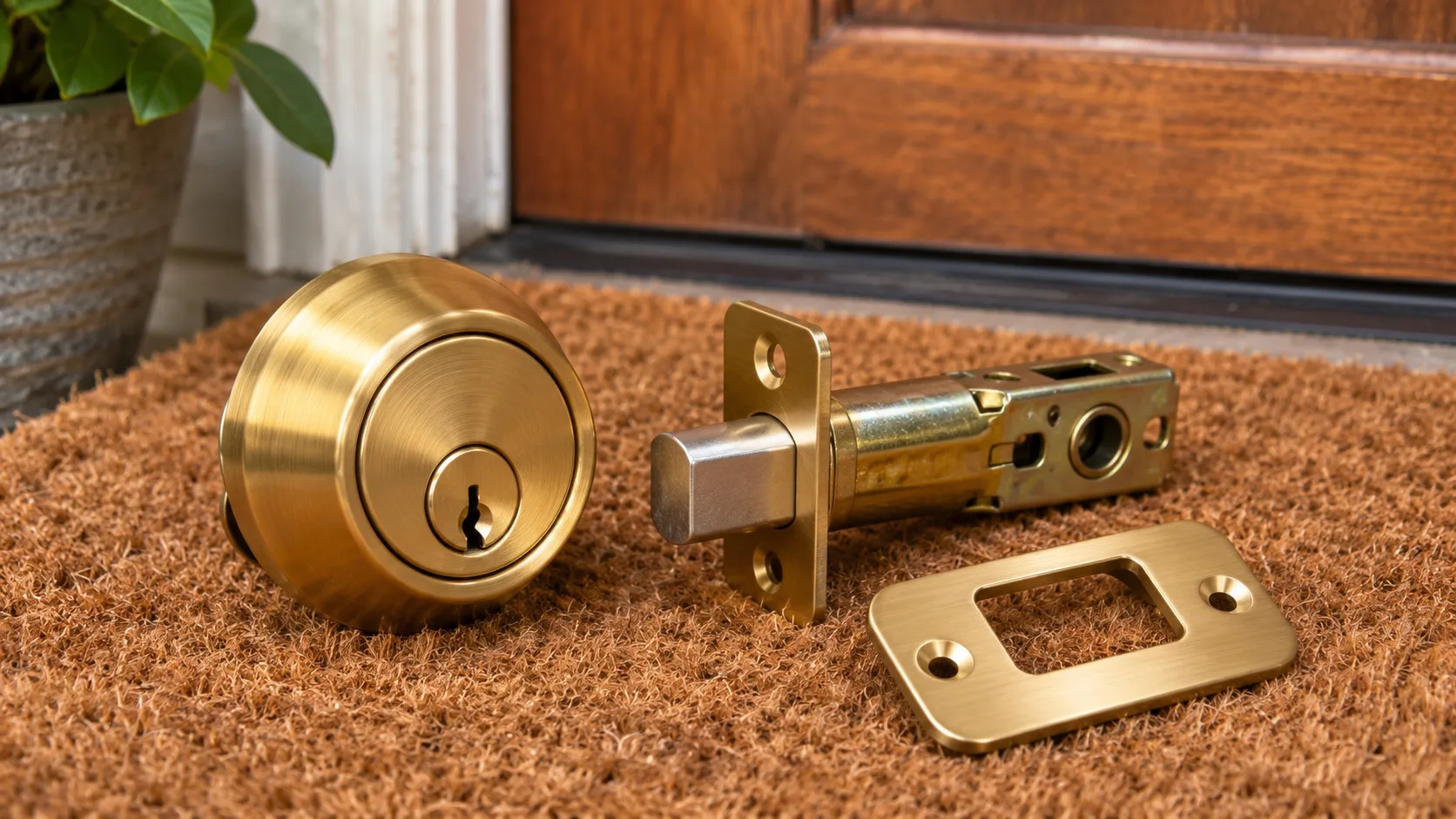
A latch that sticks halfway is worn, and new pins do nothing for a latch. Original hardware on an older house is usually at that point. A door that was kicked in has a bent bolt, and a bent bolt is replaced. A knob lock as the only lock on an outside door needs a deadbolt added above it. A homeowner who wants a keypad gets a new lock, and its cylinder is keyed to the house key before it goes on the door.
A house changes hands with more keys out than anyone can count. The seller's agent kept one in a lockbox on the door for showings, and every agent who showed the house had the box code. The seller's parents have one. The cleaning service has another. The rekey happens the day of possession, before the moving truck is unloaded. Some new-construction locks are built so the builder's key stops working the first time the owner's key turns. The rest are rekeyed like any other house.
A rekey is booked for a time that suits the household, and every outside door is done in that visit, the garage service door included. The new key can be one the family already carries, as long as it fits the keyway, and the doors are pinned to it. Otherwise the keys are cut on the truck, as many as anyone wants, and the count is written down. The old keys go in the recycling that day.