Which Batteries to Put in a Smart Lock Before Winter
Which Batteries to Put in a Smart Lock Before Winter
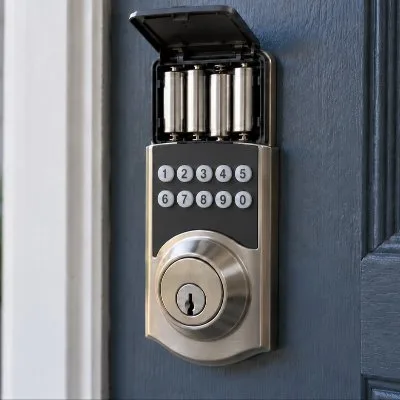
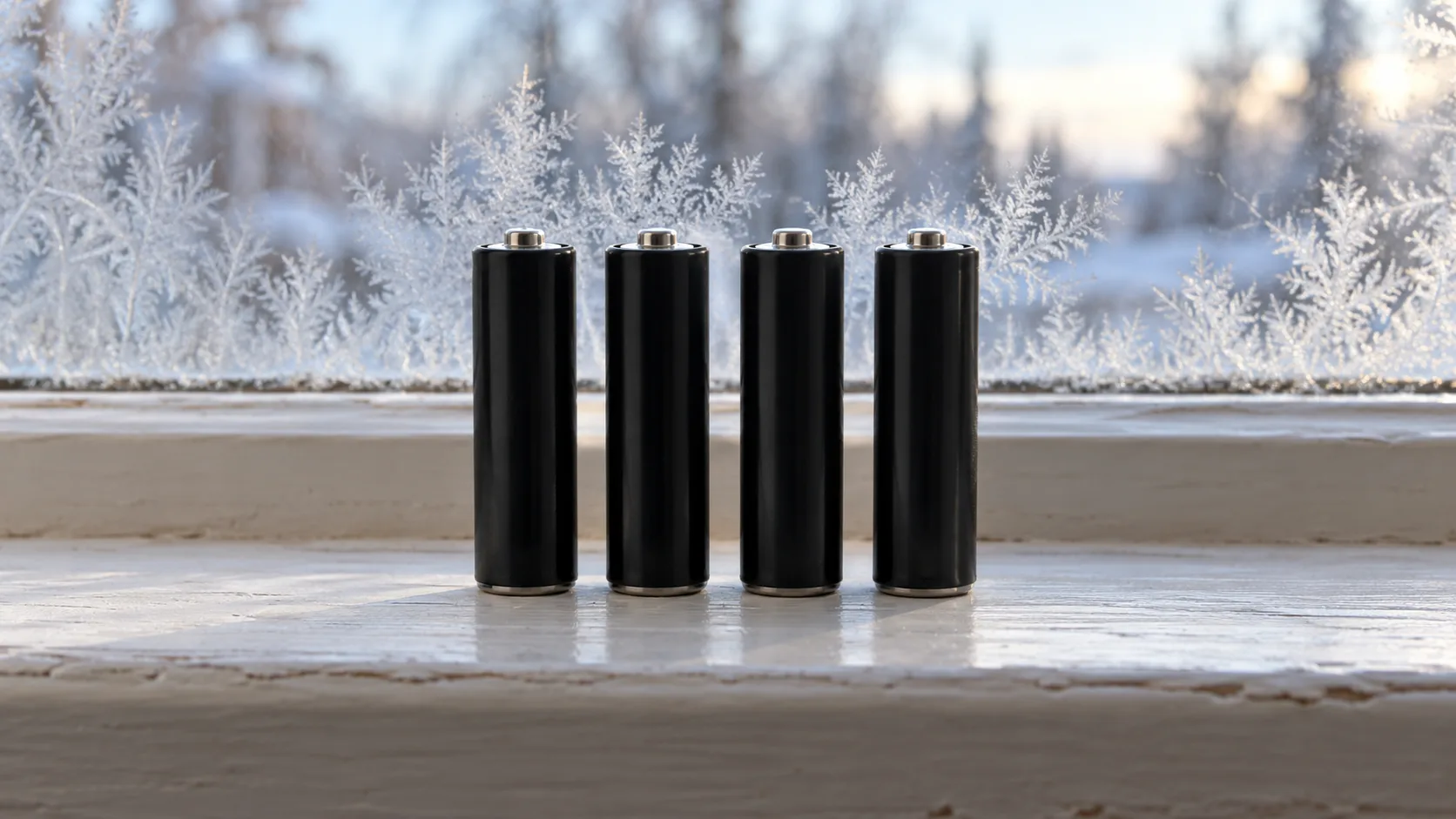
Alkaline AA cells are rated to about zero degrees. They lose capacity the whole way down. Lithium AA cells in the same size are rated to forty below. Most keypad deadbolts take four AA cells, and the four sit in a housing bolted to the inside face of the door. That door is the coldest surface in the room. The cells run near its temperature. The motor that throws the bolt is the heaviest draw the lock makes. A cold alkaline cell sags under it.
The right lithium cell is the 1.5-volt AA. A 3.6-volt lithium cell comes in the AA size too, fits the holder, and can damage the lock. The voltage is on the package. Rechargeable AA cells are 1.2 volts each, and four of them read as low to the lock from the first day. They stay out of door locks. All four cells are changed at once, all one type, since a new cell beside a tired one drains faster.
A north door drains cells faster than a south door
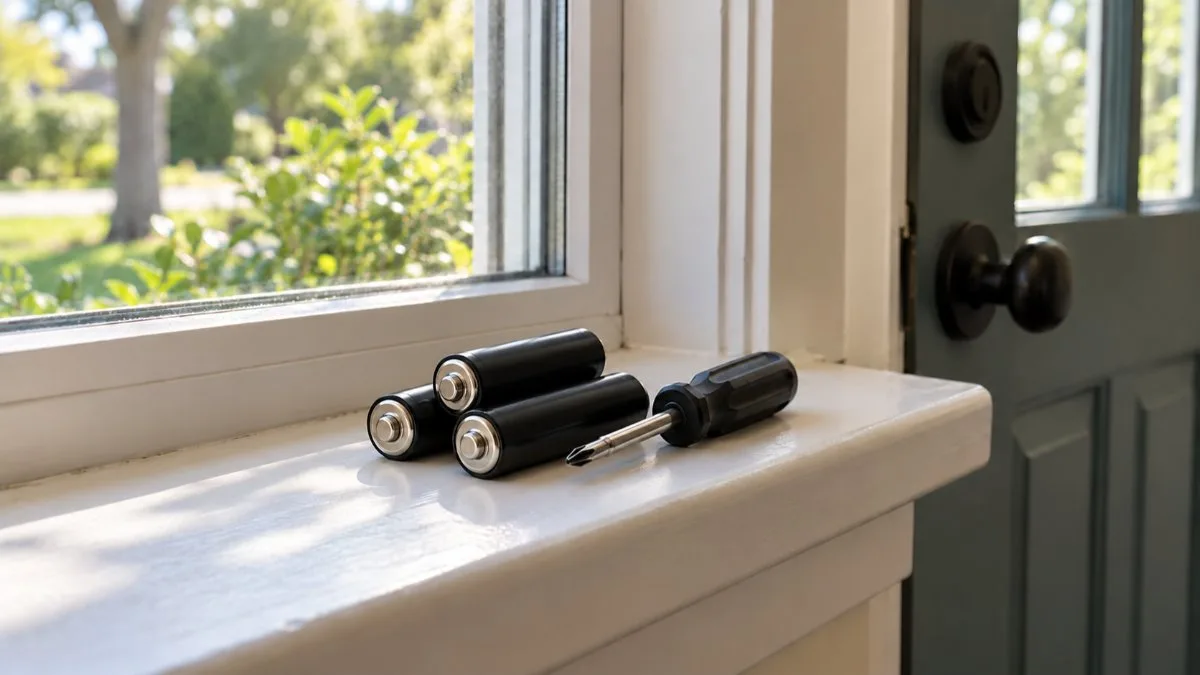
A north-facing door gets no direct sun from November through February. The sun sits low in the south all winter, and a south door picks up a few degrees every clear afternoon. The north door stays at air temperature and takes the wind. A steel or fiberglass door carries that cold through to the cell pack. A storm door helps. The dead air between the two doors keeps the main door warmer. A north door with no storm door is the coldest entry on the house.
The garage service door is colder than any door on the house. The inside housing of that lock sits in an unheated garage, and the cells are at outdoor temperature from the first hard freeze until April. Those locks get lithium cells. Cold also thickens the grease in the bolt, and a door that shifted with the frost drags the bolt across the strike plate. Every throw against a dragging bolt pulls more current. A lock set to auto-lock makes twice the throws.
Fresh cells go in before the ground freezes
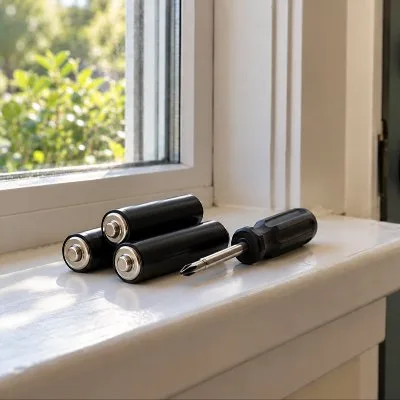
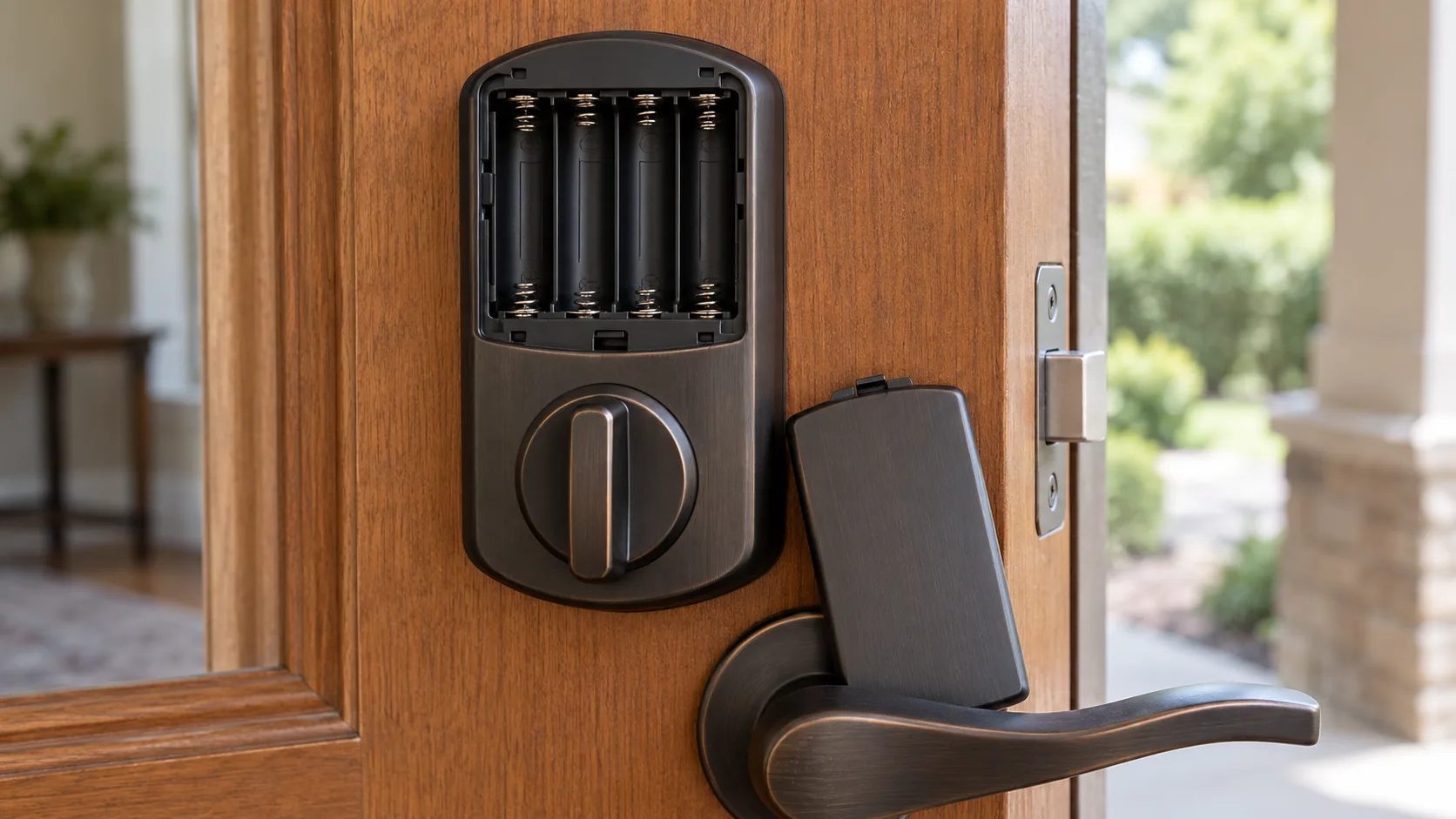
The first week of October is the change-out date for every keypad lock on an outside door. The ground has not frozen and the door has not shifted yet. Four new cells go in with the date written on each one in marker, and the old set is recycled. A second set of four sits in a kitchen drawer. The battery cover on some models has a small screw, and the screwdriver that fits it lives in the drawer with the spare set.
A front door in a heated house, with a storm door and some afternoon sun, runs on alkaline cells from October to spring. The lock is checked in January anyway, the week the forecast shows the first night below zero. A keypad that takes the code slower than it did in October gets a new set ahead of that cold night. Lithium cells go in the north door and in any lock with its inside housing in an unheated space. Those are changed in October with the rest.
The battery lid or the manual says which cells the maker allows. A few makers say alkaline only. The low-battery warning on those locks is set to the slow voltage drop of an alkaline cell. A lithium cell holds its voltage almost to the end and then drops fast, so the warning on a lithium set comes late or never. An alkaline-only lock takes a fresh set in October and a second in January. A lock running lithium is changed every October, warning or no warning.
The warnings that get missed
The lock warns for weeks before it quits. A beep after the code where there was none before is the first warning. A light that blinks red, or a keypad that lights dimmer than it did in the fall, is the next. Both come in the two seconds between the code and the door swinging open, and nobody is looking. The app notification goes to the one phone that set up the lock. Everyone else in the house uses the keypad and never sees it.
The bolt gives its own warning. A motor that sounds slower in December than it did in September is running on tired cells. A bolt that throws on the second try is another sign. A lock that takes the code, turns the bolt partway, and stops is on its last cells. Any of those means a new set that day. The spare set from the kitchen drawer goes in, and a new spare is bought that week.
A lock that is dead at the door has a way in on most models. The key still turns the bolt with the cells dead. Some models carry two metal contacts on the bottom of the keypad. A nine-volt battery held against those contacts gives the lock enough power to take the code once. A nine-volt in the glove box covers that night. With no key and no contacts, the door is opened without drilling, the way any lockout is. The new cells go in from the inside.